Find a flag by what is on it
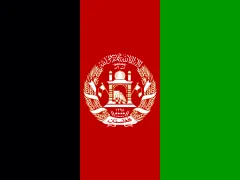
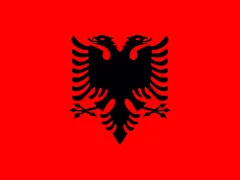
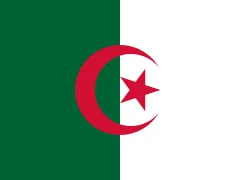
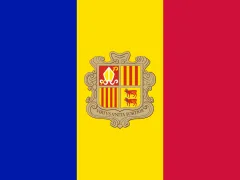
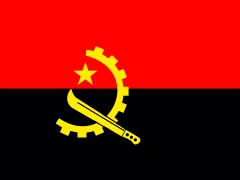
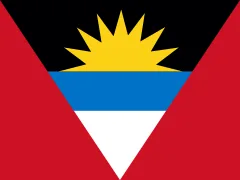
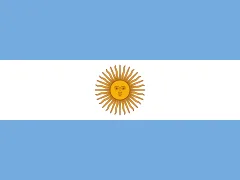
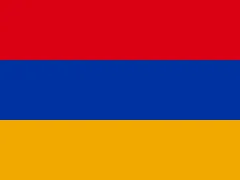
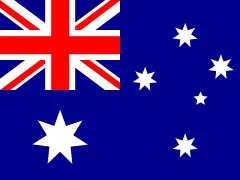
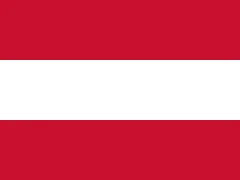
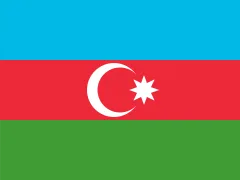
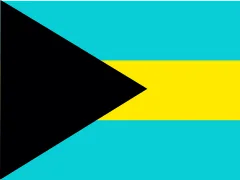
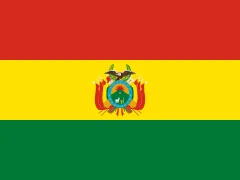
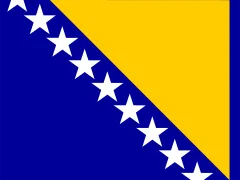
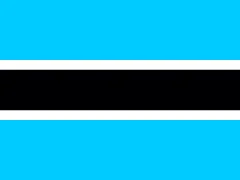
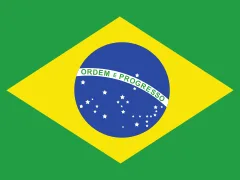
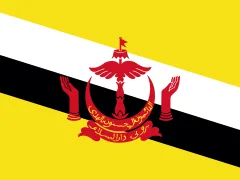
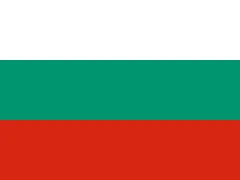
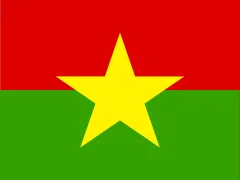
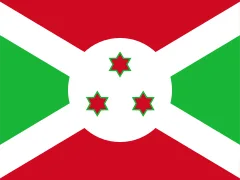
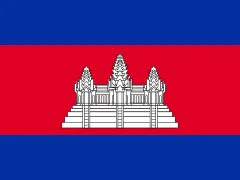
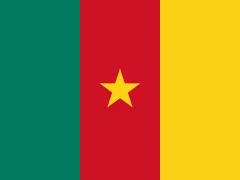
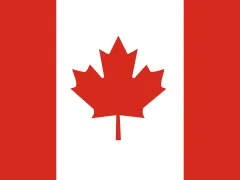
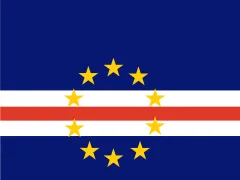
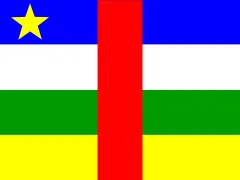
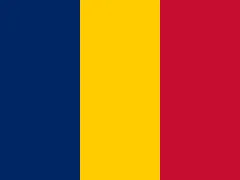
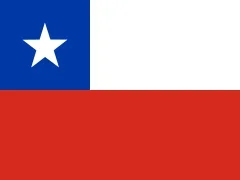
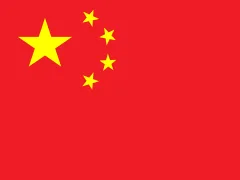
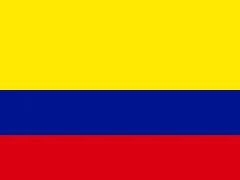
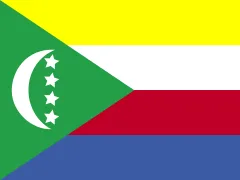
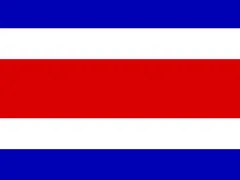
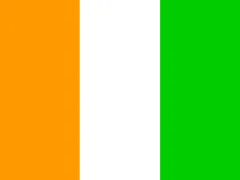
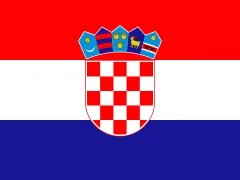
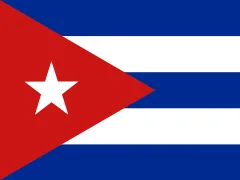
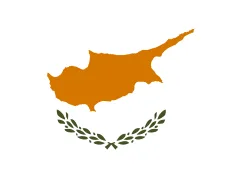
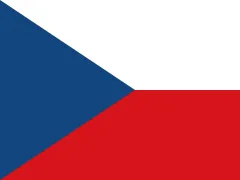
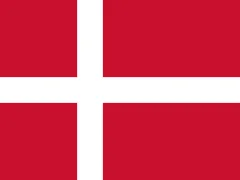
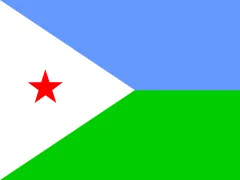
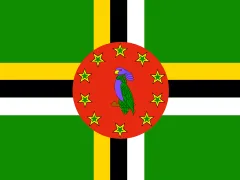
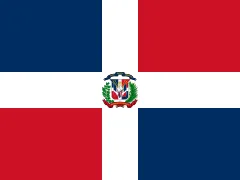
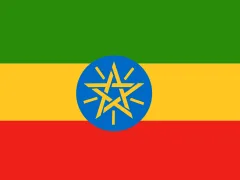
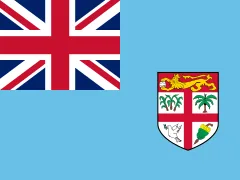
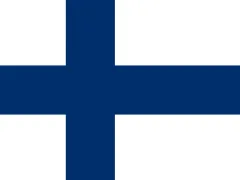
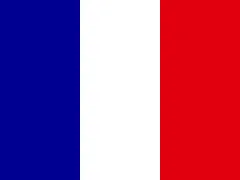
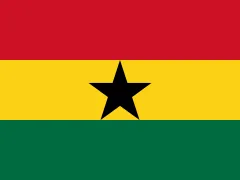
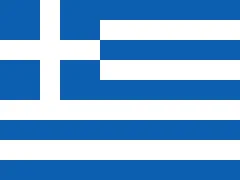
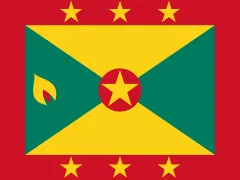
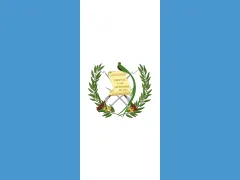
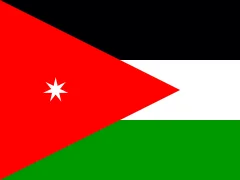
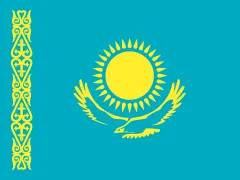
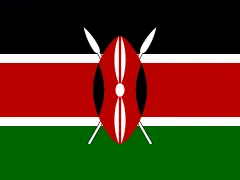
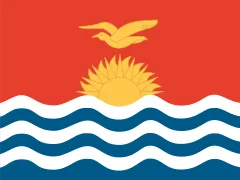
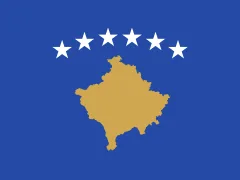
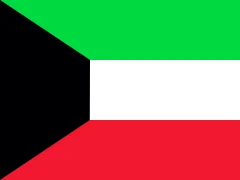
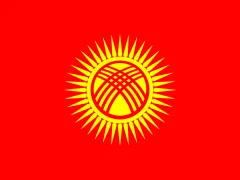
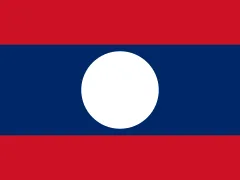
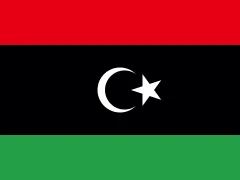
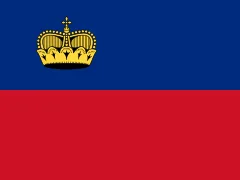
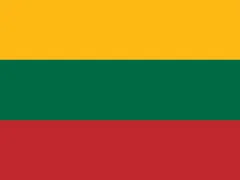
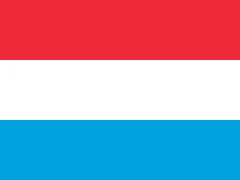
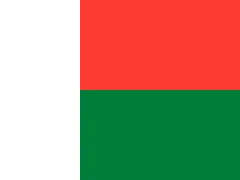
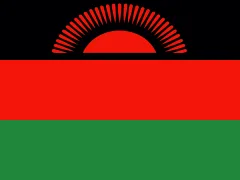
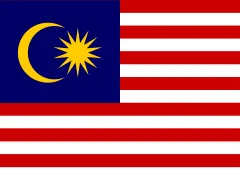
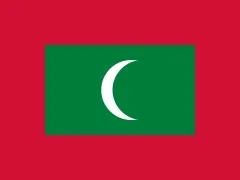
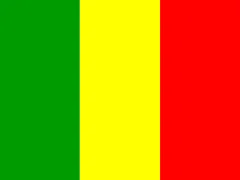
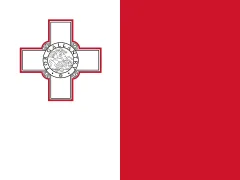
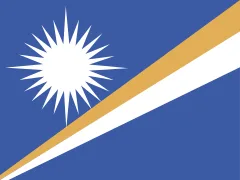
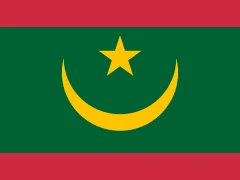
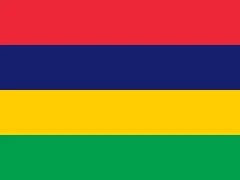
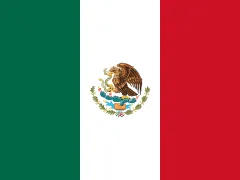
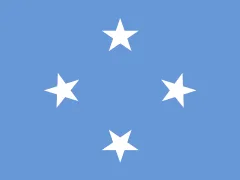
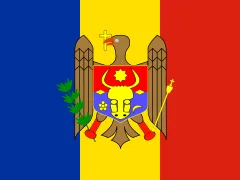
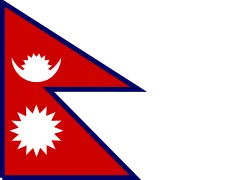
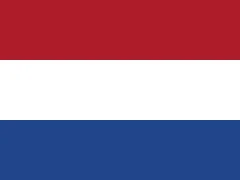
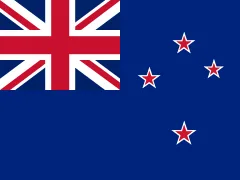
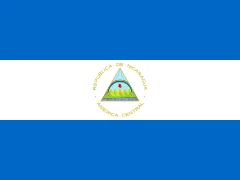
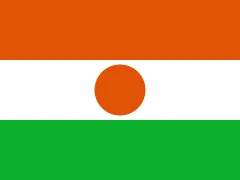
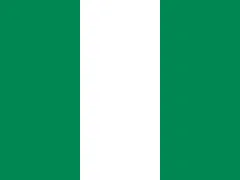
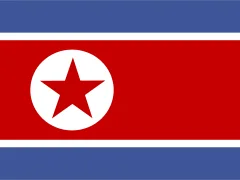
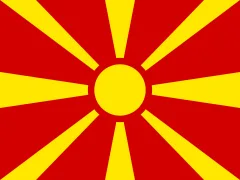
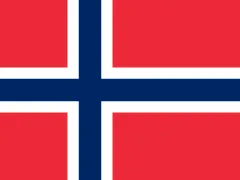
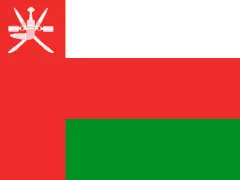
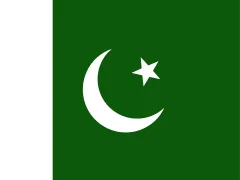
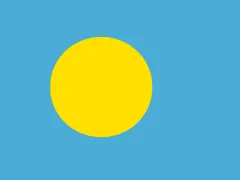
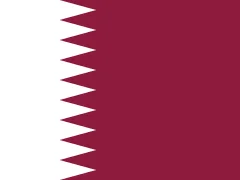
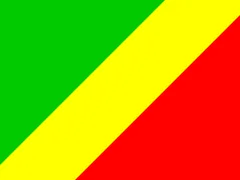
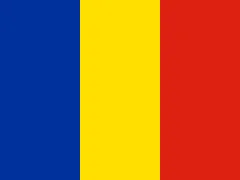
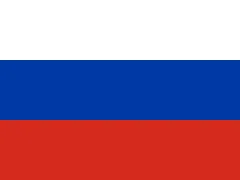
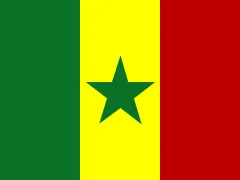
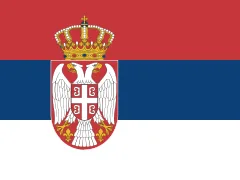
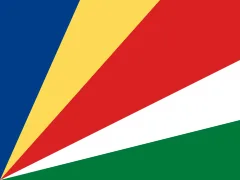
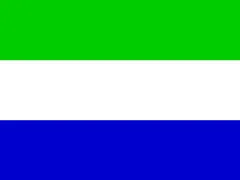
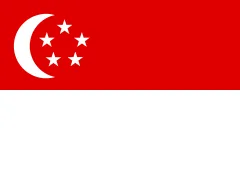
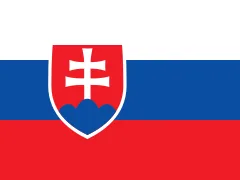
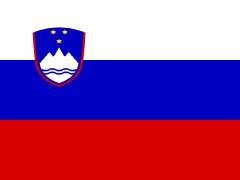
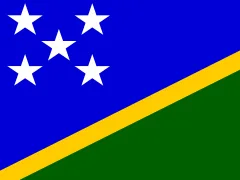
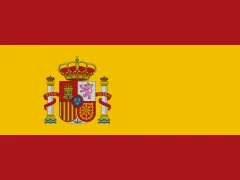
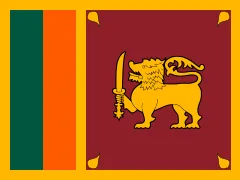
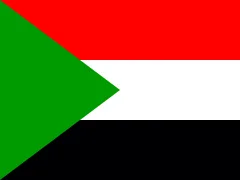
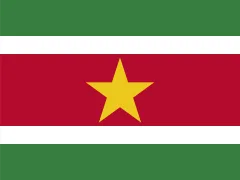
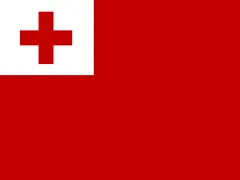
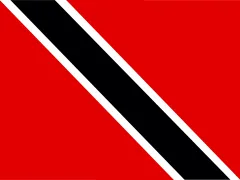
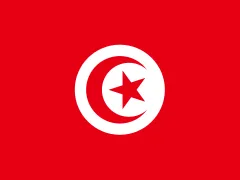
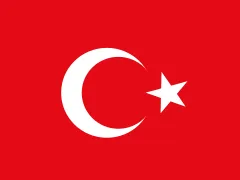
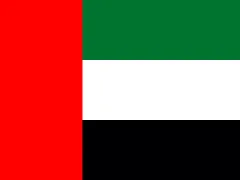
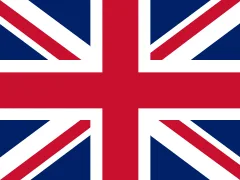
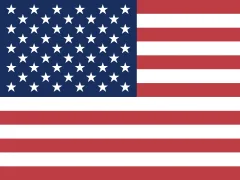
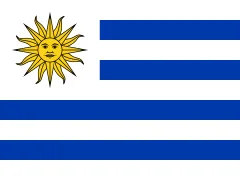
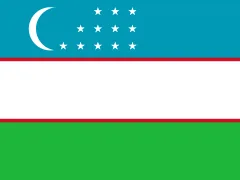
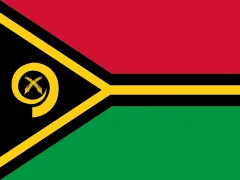
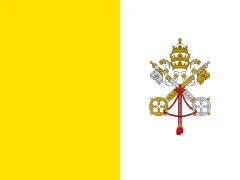
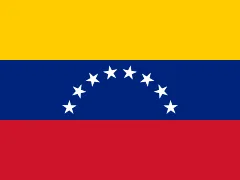
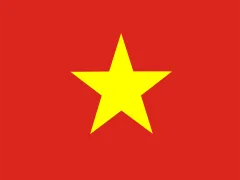
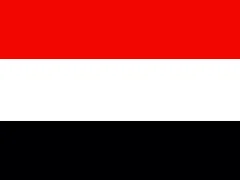
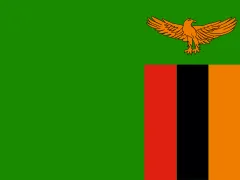
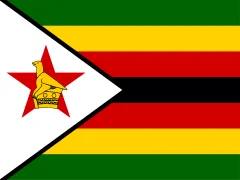
No flag has all of that.
Tick a colour or a symbol and the grid narrows to the flags that have all of them.
Saved on this device
How the flags are labelled. Images are from the open-source flag-icons set (MIT). Colours are measured from each image; symbols are labelled by hand. Names follow the source lists and do not imply any judgment on the status of any territory. Sources and limits.
Most flag pages make you scroll a list or guess its name. Here you start from what you can see — two colours and a star — and the list shrinks to the few flags that fit.
Popular searches
- Flags with a star68 flags
- Flags with a cross19 flags
- Flags with the sun12 flags
- Flags with a circle8 flags
- Flags with a triangle17 flags
- Flags with an eagle8 flags
- Flags with a bird16 flags
- Flags with animals9 flags
- Flags with a tree18 flags
- Flags with a coat of arms44 flags
- Flags with stripes59 flags
- Flags with red and white103 flags
- Flags that look alikeThe closest pairs, ranked
- What flag colours meanHow often each colour appears
Read the rest — 3 more sections
How matching works
Colours and symbols work as "has all of these": tick red and white and star and you get the flags that contain all three. A colour counts when it covers a measurable part of the flag, so a small yellow star can make a flag "contain yellow". The stripes filter tells horizontal bands from vertical ones; flags with a cross are not counted as striped.
Which flags are included
The 196 states that are United Nations members or observers, plus Kosovo. Territories are left out: most share their parent's flag, and showing them twice would make every count wrong.
Where it can be wrong
Colours are measured from the picture and symbols were labelled by hand, so a flag can be mislabelled and a similar shade can land in the next colour over. The about page says how to report one.
Who this finder is for
The usual way to look up a flag is to know its country and then check the picture. This page works the other way round. You have seen a flag on a jersey, a stamp, a ship or a news clip, you remember a few things about it, and you want a short list to choose from. A quiz writer who needs every flag with a crescent, a teacher preparing a map lesson, a traveller trying to name a banner on a building: all of them start from what is visible rather than from a name.
The list covers 196 flags. That makes a first pass quick, because even a single colour tick removes a large part of the grid, and two or three ticks usually leave a number you can scan by eye in a few seconds.
How to read the results
The line above the grid reads "N of 196 flags match", and it updates as you tick boxes. Colours and symbols combine as "has all of these", never "has any of these". Ticking red and white shows 103 flags, and adding a star to that narrows it further. If you tick something and the number barely moves, the new pick is shared by almost every flag already shown; if it drops sharply, you have found a distinguishing feature.
Each tile shows the flag and the country name. Tiles load as you scroll, so a long result list does not slow the first screen down. When nothing matches, the page says which single pick you could remove to get flags back and offers a button that removes it. That message is computed from the data, not a generic warning, so it is worth reading: it often points at the one clue you were least sure about.
Three small actions sit beside the count. Clear resets every pick. Save keeps the current filter in a list on this device, so you can return to a search you use often. Copy link puts your picks in the address, which is how you hand someone else the same view. Nothing is sent to a server while you pick; the link only carries what you chose to share.
Choosing what to tick
Start with the colour you are most sure of, then add the largest shape on the flag. Large blocks of colour are the most reliable clue, because a memory of "something red on the left" survives longer than the exact number of points on a star. A colour counts when it covers a measurable part of the picture, so a small yellow emblem on a green flag can make the flag contain yellow. If a first search gives nothing, remove the smallest or most doubtful colour before anything else.
The symbol list is deliberately plain: star (68 flags), crescent (15), sun, circle, triangle, cross, diagonal cross, eagle, bird, animal, plant, weapon or tool, coat of arms, writing and map. A coat of arms is its own group because it can hold many small figures; the more eye-catching things inside an emblem, such as an eagle or a star, are labelled separately where they stand out. The stripes, continent and name box lets you separate flags built from horizontal bands from those built from vertical bands, limit the list to one continent, or type part of a country name.
Orange and purple sit behind the "All 8 colours" link because so few flags use them. Purple appears in a measurable amount on 2 flags here, orange on 17, against red on 151 and white on 135. If your flag has either, open the link first and the list shrinks at once.
Telling look-alike flags apart
Many flags share a palette, and some differ only in proportion, a thin band, or the way a single emblem is drawn. When two candidates remain, check three things in order. First, the order of the bands: the same colours stacked in a different order are different flags. Second, whether there is a badge, crest or text in the middle, which the tick for coat of arms or writing will confirm. Third, the shade and the proportions, which a thumbnail can hide. The page on flags that look alike ranks the closest pairs in this list so you can see which ones are most often confused.
What this page does not do
It does not identify a flag from a photograph, it does not include territories, regional flags, historical flags or the flags of organisations, and it does not tell you the official meaning of a colour. Colours are measured from the pictures and symbols were labelled by a person, so some entries can be wrong or debatable. If you spot one, the about page explains how to report it. It also makes no claim to be an official register: the flags come from an open-source image set, and the sources page lists the limits.
Questions people ask
Why does a flag with a small crest show up under a colour I did not expect? Because the colour is measured from the image, and a crest in gold or red can add that colour even though the field looks plain. Why is my country missing? The list is made of UN member and observer states plus Kosovo, so territories are not shown separately. Can I use the pictures? They come from the flag-icons set under the MIT licence; the sources page gives details. Is anything stored about me? Only what you press Save on, and only in your own browser.
Step 1 of 5
Esc closes · arrow keys move between steps