Flags with a star
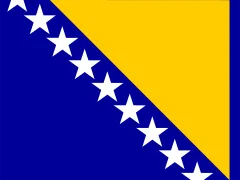
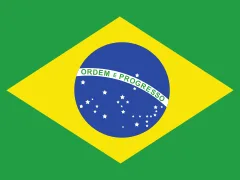
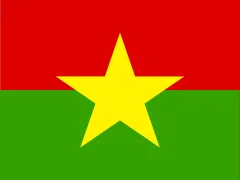
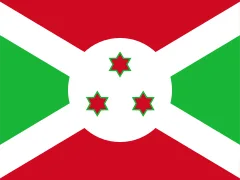
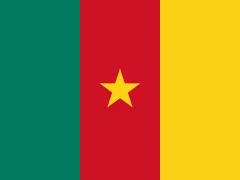
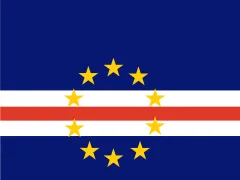
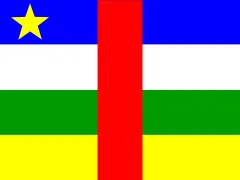
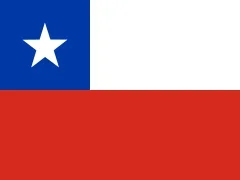
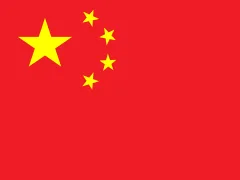
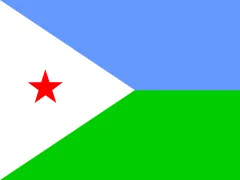
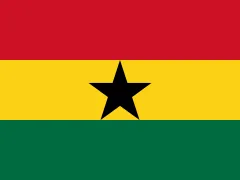
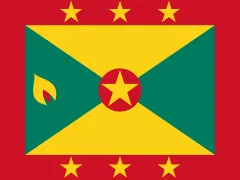
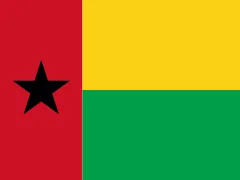
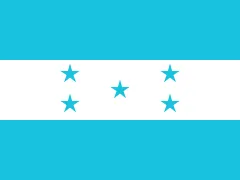
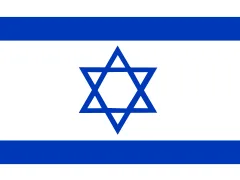
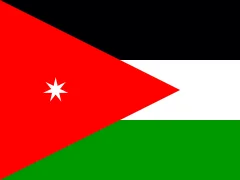
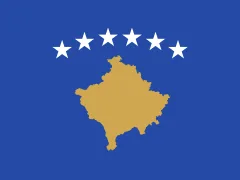
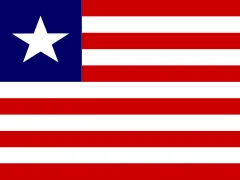
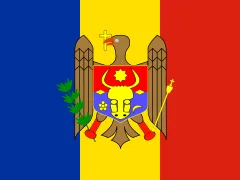
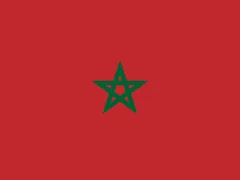
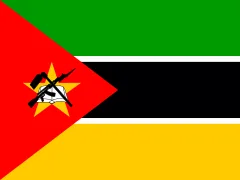
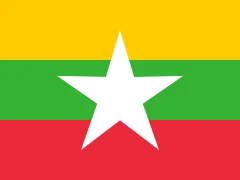
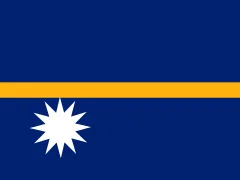
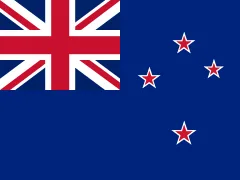
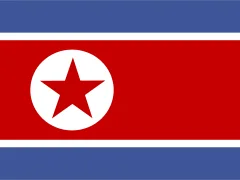
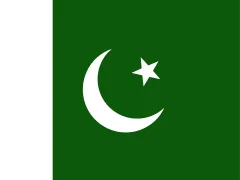
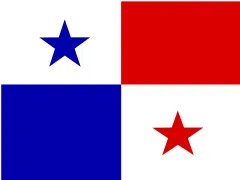
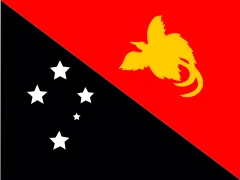
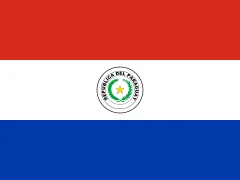
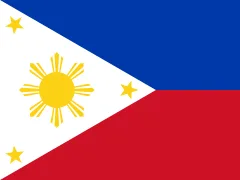
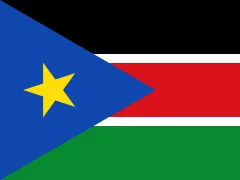
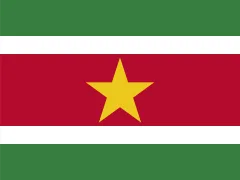
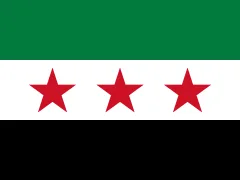
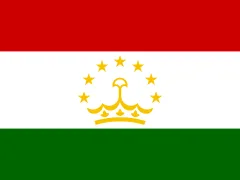
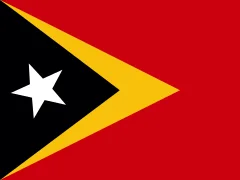
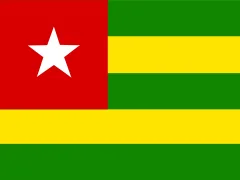
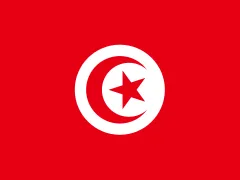
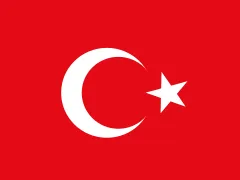
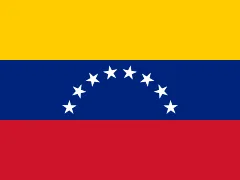
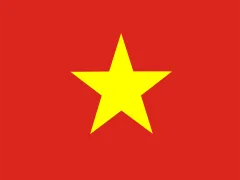
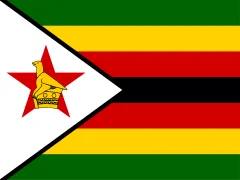
68 of the 196 national flags here have a star in the design.
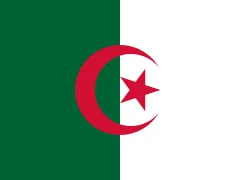
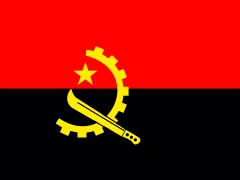
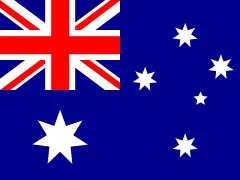
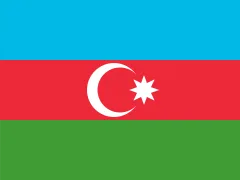
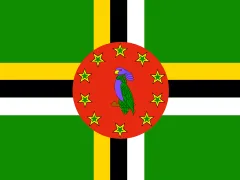
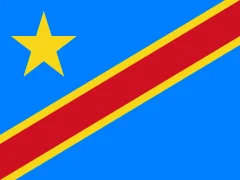
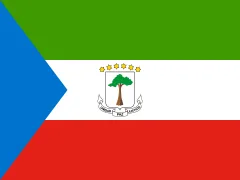
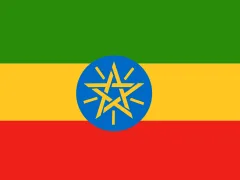
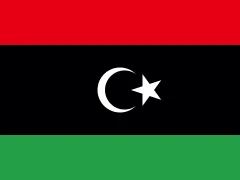
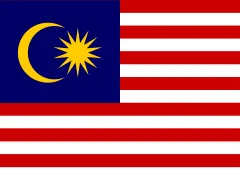

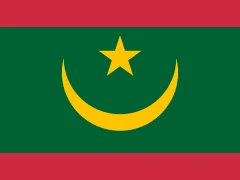
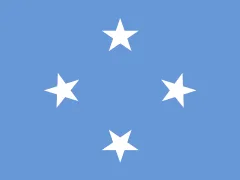
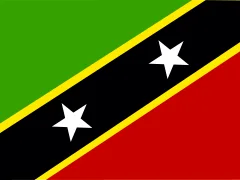
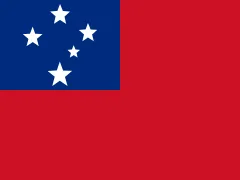
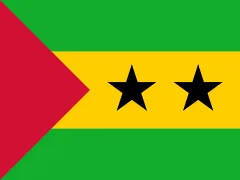
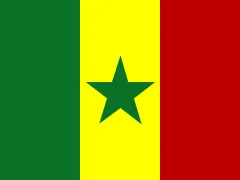
What the list shows
68 of the 196 national flags here have a star in the design. That is 35% of the flags in this list, counting a star anywhere in the design, including inside a coat of arms. The list is the 196 states the United Nations recognises as members or observers, plus Kosovo; territories are left out because most of them share their parent's flag.
By continent: Africa 26 of 54, Asia 17 of 47, Oceania 9 of 14, North America 7 of 22, South America 5 of 13, Europe 4 of 46. Africa has the most (26), and Oceania has the highest share (64% of its flags).
Colours and layout
Colours on these flags: red on 57, white on 48, blue on 36, yellow on 35. For comparison, red is on 77% of all 196 flags and white on 69%.
Layout: 23 of these 68 are built from stripes (19 horizontal, 4 vertical) and 45 are not. Across all 196 flags the stripe share is 42%.
Other symbols alongside
32 of the 68 have no other symbol at all. The ones that share space with another symbol most often pair it with crescent (12), triangle (9), coat of arms (9).
Capitals of the first few, to place them: Algeria (Algiers), Angola (Luanda), Australia (Canberra), Azerbaijan (Baku), Bosnia and Herzegovina (Sarajevo), and so on down the list. The shortest names here are Cuba, Togo and Chile.
How the labels were made: colours are measured from the flag image (a colour counts if it covers at least 0.6% of the flag, edges excluded, so a small emblem can add a colour), and symbols were labelled by hand. A flag with a detailed coat of arms can legitimately appear under several symbols. If a flag looks mislabelled, the corrections link on the about page is the way to say so.
How the flags are labelled. Images are from the open-source flag-icons set (MIT). Colours are measured from each image; symbols are labelled by hand. Names follow the source lists and do not imply any judgment on the status of any territory. Sources and limits.
What counts as a star here
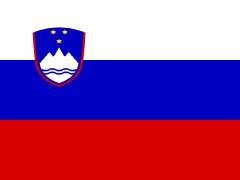
A flag is listed when a star is a visible part of the design. That includes a single large star, a ring or field of small stars, and a star inside a larger badge when it stands out on its own. It does not include the star-like points of a sun, which have their own group under "the sun". The label was added by hand, because telling a star from a decorative shape means reading the picture; the list was then checked against a published list of flags with stars. A very small star inside a coat of arms may be missed or may count, depending on how prominent it is, which is why a few borderline flags can reasonably be argued either way.
Star and crescent together
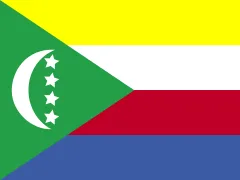
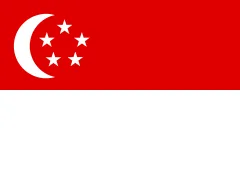
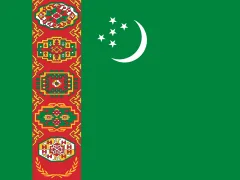
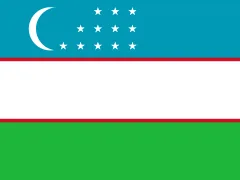
The pairing is its own family: 12 flags here carry both, Algeria, Azerbaijan, Comoros, Libya, Malaysia, Mauritania, Pakistan, Singapore, Tunisia, Türkiye, Turkmenistan, Uzbekistan. A crescent with a star is often described as an emblem long associated with the Ottoman Empire and with several Muslim-majority countries, but the exact reasoning behind each flag differs, and the official source for each country is the one to trust. If your flag has a crescent, tick it as well as the star and the list drops to this group immediately.
One star, a few stars, or many
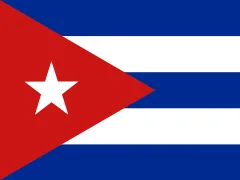
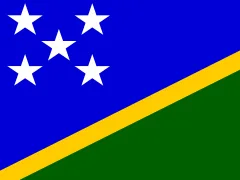
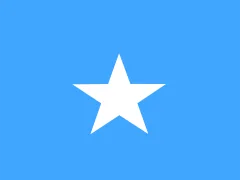
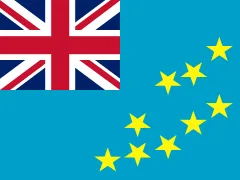
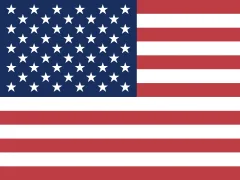
Most of the 68 flags carry a single star or a small group. Of them, 32 have no other symbol, so the star is the whole story. A few flags use many stars: Brazil, Cuba, Cape Verde, Honduras, United States are labelled as having several. When you are trying to recall a flag, the number of stars is less dependable than where the star sits. A star at the centre of a plain field, a star in the corner next to a stripe pattern, and a star inside a triangle are three different layouts.
The layout column helps here. 23 of the 68 also have stripes, and 45 do not. If you remember bands, tick horizontal or vertical in the stripes box. If you remember a plain background, choose no stripes.
How to narrow the list
Add the colour of the star's background first. A red field leaves a much shorter list than a blue one, and the combination of colour and star is often enough. Then use the continent box. Africa and Asia hold a large share of star flags in this list, while Europe holds only a few, so a European guess is a quick one to test.
Use the button above the list to open the finder with the star already ticked; your next pick will filter this same set.
Reading the symbols on star flags
A star on a flag is sometimes explained as standing for unity, hope, a region, a province or a point of the compass, and more than one explanation can be offered for the same flag. These are common readings, not rules. Some flags use their stars to count things such as states or islands, and others use a single star as a general national symbol. Because the readings vary, this page lists the flags and leaves out claims about intent.
Questions
Is the United States on this list? It is, with a field of stars in the canton. Why are some flags with a star on a coat of arms missing? Only prominent stars are tagged. Why does the count differ from other lists? Counts depend on what is considered a star and on which states are included; this list is limited to UN members, observers and Kosovo.