Flags with animals
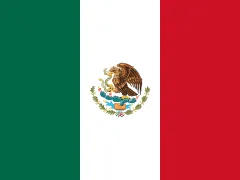
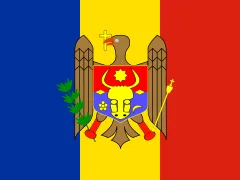
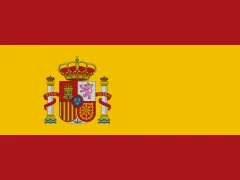
9 of the 196 national flags here have an animal in the design.
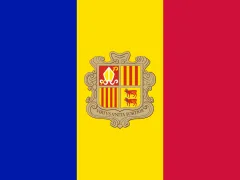
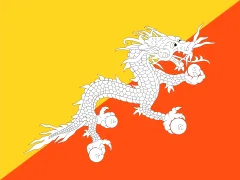
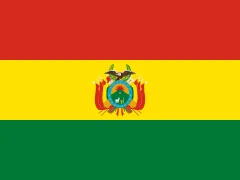
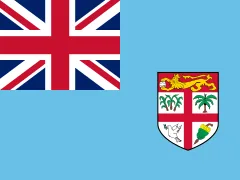
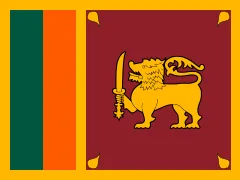
What the list shows
9 of the 196 national flags here have an animal in the design. That is 5% of the flags in this list, counting a mammal, reptile or dragon (birds are on their own page). The list is the 196 states the United Nations recognises as members or observers, plus Kosovo; territories are left out because most of them share their parent's flag.
By continent: Europe 3 of 46, Asia 2 of 47, South America 2 of 13, North America 1 of 22, Oceania 1 of 14. Europe has the most (3), and South America has the highest share (15% of its flags).
Colours and layout
Colours on these flags: red on 8, yellow on 6, white on 4, orange on 4. For comparison, red is on 77% of all 196 flags and white on 69%.
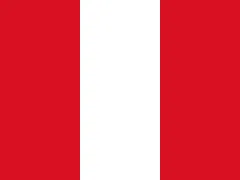
Layout: 4 of these 9 are built from stripes (2 horizontal, 2 vertical) and 5 are not. Across all 196 flags the stripe share is 42%.
Other symbols alongside
0 of the 9 have no other symbol at all. The ones that share space with another symbol most often pair it with coat of arms (8), plant or tree (5), bird (3).
Capitals of the first few, to place them: Andorra (Andorra la Vella), Bhutan (Thimphu), Bolivia (Sucre), Fiji (Suva), Mexico (Mexico City), and so on down the list. The shortest names here are Fiji, Peru and Spain.
How the labels were made: colours are measured from the flag image (a colour counts if it covers at least 0.6% of the flag, edges excluded, so a small emblem can add a colour), and symbols were labelled by hand. A flag with a detailed coat of arms can legitimately appear under several symbols. If a flag looks mislabelled, the corrections link on the about page is the way to say so.
How the flags are labelled. Images are from the open-source flag-icons set (MIT). Colours are measured from each image; symbols are labelled by hand. Names follow the source lists and do not imply any judgment on the status of any territory. Sources and limits.